
Festivals
7 September 2026 · 9 min read
Festivals, Practice and Human Development
A festival is rarely just a day of celebration — it's the occasion that keeps knowledge in practice, and the practice that quietly shapes the people who show up for it.
A festival is rarely just a day of celebration. Look closely at any traditional festival in India and you will find weeks, sometimes months, of activity around it. Someone is shaping clay. Someone is painting. Someone is weaving flowers. Musicians are practising together. Performers are rehearsing. Families are preparing recipes that appear only at this time of year. Artisans are making objects needed for rituals. Communities are preparing spaces where people will gather.
The festival may last a day. But the practice begins long before it. And perhaps this is one of the most important things festivals have always done: they create a reason for people to practise.
The Festival Creates the Occasion. The Occasion Creates the Practice.
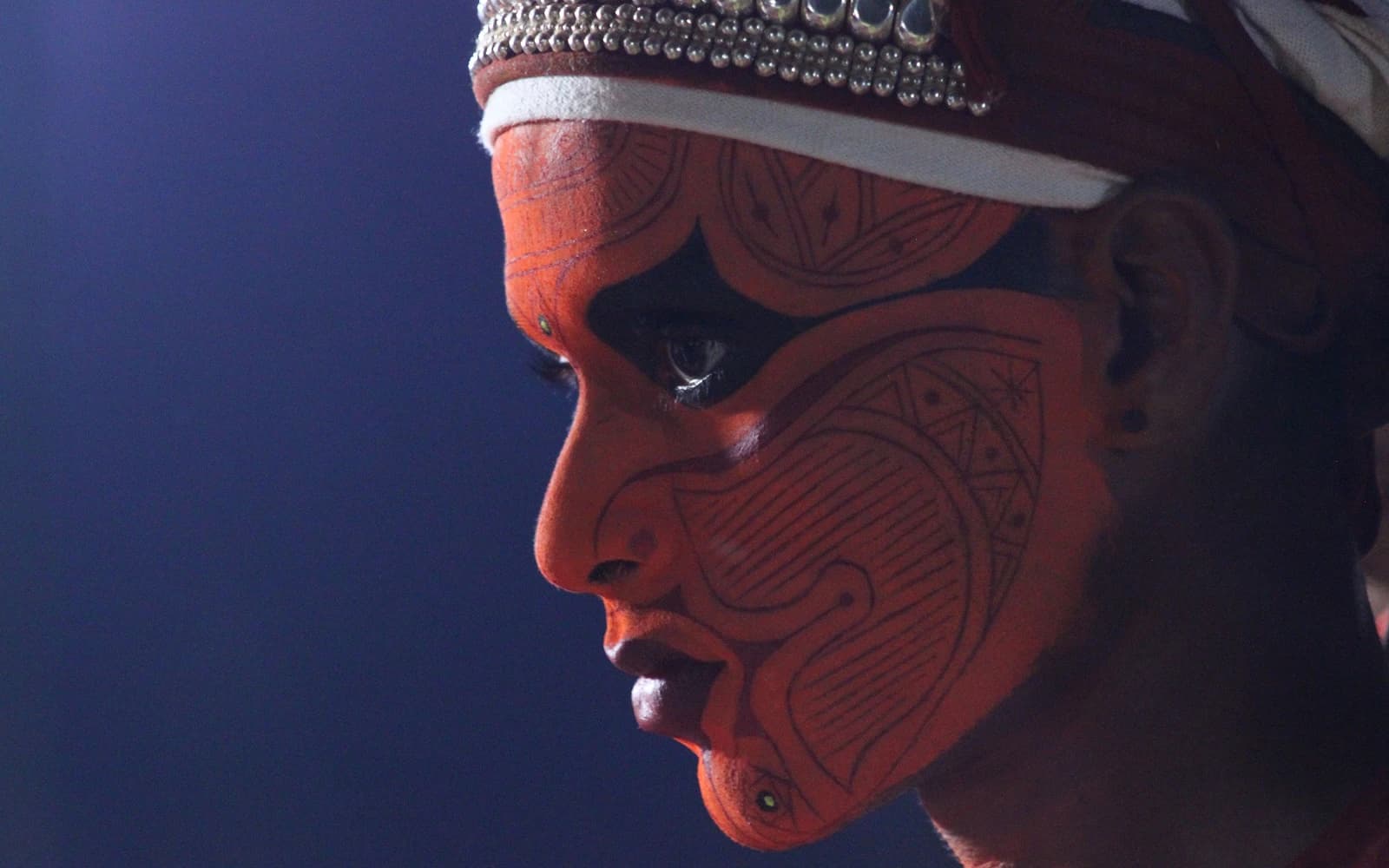
Many traditional arts and crafts were never created simply to be displayed. A pot may be made because a ritual requires it. A textile may be woven because it is worn during a particular ceremony. A mask exists because someone has to perform through it. An instrument is made because a procession needs music. A particular dish survives because a family prepares it every year.
The festival creates an occasion. The occasion creates a need. And that need keeps knowledge in practice.
This relationship matters because when we separate an object from the occasion that created it, we often see only the finished object. We see the mask, but not the performance. We see the textile, but not the ceremony. We hear the music, but not the months of practice. We see the craft, but not the knowledge behind the hands that made it. Festivals bring these pieces together again.
Art, Craft, Ritual and Everyday Life Were Never Completely Separate
Today, we often divide culture into categories: art, craft, music, dance, food, spirituality, agriculture. Living traditions are rarely so neatly divided.
Consider a village festival. A carpenter may construct something for a procession. An artisan decorates it. Musicians accompany it. Performers embody a story connected to it. Families prepare food for the gathering. Particular flowers, leaves, colours, clothes and objects may carry specific meanings.
What we eventually call a festival is actually the meeting point of many different forms of knowledge: making, growing, cooking, building, dancing, singing, remembering, gathering.
This is why understanding a tradition only through its finished product can be incomplete. The deeper knowledge often lives in how something is made, when it is made, who makes it, why it is used and how people participate in it.
Festivals Create a Reason to Practise Again
Traditions survive through repetition. You learn a song because it needs to be sung again. You remember a recipe because the season returns. You practise a performance because the festival approaches. You learn how to make an object because another one will be needed next year. You teach a younger person because another pair of hands is required. In this way, the calendar itself becomes a form of cultural memory.
Every year, the festival returns and quietly asks a community: Do we still know how to make this? Do we still know how to perform this? Do we still know how to prepare this? Do we remember why we do it? And most importantly: is there someone learning how to do it next?
Knowledge moves between generations not simply because it has been documented, but because somebody continues to practise it.
From Spectator to Participant
This is where our relationship with festivals becomes important. It is possible to attend a festival entirely as a spectator. We photograph the procession. We record the performance. We admire the craft. We buy the finished object. We post the celebration. And then we return home.
But what if a festival became an invitation to go one step further? Before Ganesh Chaturthi, learn how a traditional clay idol is made. Before a harvest festival, understand the agricultural practices behind it. Meet the artisan making the objects used in a ceremony. Learn a local folk song. Try the rhythm being performed. Understand the costume before watching the performer wearing it. Sit with the practitioner rather than encountering only the finished product.
The difference seems small, but it fundamentally changes our relationship with culture. We move from seeing to understanding. From understanding to doing. And from doing to practising. That movement is important not only for the survival of culture. It is important for the development of the human being.
When We Practise Something, Something Is Also Being Practised Within Us
When someone learns pottery, weaving, dance, music, farming, painting, martial arts or another traditional practice, they are not simply acquiring a technique. Through the technique, they are also developing themselves.
A potter learns attention because a small change in pressure changes the clay. A musician learns to listen because rhythm depends on others. A dancer learns awareness because movement requires control of the body. A craftsperson learns patience because materials cannot always be rushed. A practitioner learns discipline because mastery requires returning to the same action again and again.
The object being made is visible. The person being shaped through making is less visible. But both are part of the practice.
Practice Develops Attention
Making something with your hands requires presence. The pot collapses when the pressure is wrong. The rhythm breaks when you stop listening. The movement loses balance when the body becomes careless. The pattern changes when the hand loses attention. Practice constantly brings us back to what we are doing.
In a world increasingly built around speed, distraction and passive consumption, the ability to remain with something deserves renewed importance.
Practice Develops Patience and Discipline
Traditional skills rarely provide instant results. You try. You fail. You observe. You repeat. You return the next day. Gradually, the hand begins to understand something that explanation alone could not teach.
Festivals make this relationship between effort and celebration particularly visible. The performance we enjoy for thirty minutes may have required weeks of rehearsal. The object used for a ceremony may have taken days to make. The music accompanying a procession may represent years of practice. The celebration is visible. The discipline behind it often isn't.
Festivals remind us that joy and discipline are not opposites. Very often, one makes the other possible.
Practice Develops Practical Intelligence
There is a difference between knowing something and knowing how to do something. You can read about clay and still not know how much pressure it needs. You can watch a dance and still struggle with the first movement. You can understand rhythm intellectually and still be unable to keep it.
Working with materials, tools, movement, nature and the body develops another kind of intelligence. Knowledge travels from the mind into the hands. It becomes embodied. We stop only knowing about something and begin knowing how.
Participation Develops Responsibility
When you participate, your actions begin to matter to someone beyond yourself. If you are part of a performance, others depend on your rhythm. If you are working with a material, you learn not to waste it. If you are preparing something for a celebration, somebody is waiting for your contribution. If you are learning from a practitioner, you begin to understand the years of work behind what previously appeared effortless.
Participation can gradually move us from asking "What can I consume?" towards "What can I contribute?" That is an important shift — not only culturally, but personally and socially.
Festivals Create Belonging
Human beings do not develop entirely as individuals. We develop through families, teachers, communities, places and relationships. Festivals create occasions where these relationships become visible.
A child watches an elder. A practitioner teaches a beginner. Neighbours prepare something together. Musicians listen to one another. Families repeat something their grandparents once taught them. People who may otherwise live separate lives find themselves preparing, making, performing and celebrating together.
Culture therefore becomes more than identity. It becomes a way of relating to other people.
From Consumer to Creator
Perhaps one of the most important things practice gives us is agency. Much of modern life allows us to receive what someone else has already created. We watch. We scroll. We order. We consume.
Practice asks something different from us. It asks us to participate. And through participation, a person gradually discovers: I can make. I can learn. I can improve. I can contribute. I can create.
That experience of capability matters far beyond the particular tradition being learned. Someone may begin with clay, rhythm, weaving, movement or farming. But what they are also developing is a relationship with effort, attention, failure, improvement and creation. The practice becomes a way of developing the practitioner.
The Festival Is the Door. The Practice Is the Journey.
Festivals are powerful because they naturally create curiosity. For a brief period, people become interested in the traditions, foods, performances, stories, crafts and rituals around them. That moment can remain a celebration. Or it can become the beginning of something deeper.
Someone who encounters pottery during a festival might begin learning pottery. Someone fascinated by a traditional performance might spend time with its practitioners. Someone introduced to weaving might begin understanding fibres, dyes and techniques. A child who helps make something with a grandparent may carry that knowledge into another generation.
This is where celebration becomes participation, participation becomes practice, and practice becomes continuity.
Culture Develops When People Do
This is why the conversation around traditional arts, crafts and festivals should not only be about preservation. Preservation matters. But culture cannot survive indefinitely as something kept behind glass, stored in archives or performed only for spectators. Living culture requires living participation.
And participation has value not simply because it keeps traditions alive. It also helps develop the people participating in them. The artisan develops through making. The performer develops through practice. The student develops through learning. The community develops through participation. And the festival creates the occasion that brings them together.
So perhaps there are two questions we should ask at every festival: What traditions are we carrying forward? And: what kind of people can practising them help us become? More attentive. More patient. More disciplined. More capable. More connected. More willing to create. More willing to contribute.
Festivals give us a reason to gather. Practices give us a reason to participate. And participation allows culture to do something much more powerful than simply survive: it allows culture to continue shaping human beings, while human beings continue shaping culture. That is the relationship worth carrying forward.