
Performing Art · Manipur
Lai Haraoba
ꯂꯥꯏ ꯍꯔꯥꯎꯕ
The pre-Hindu Meitei creation-dance-festival of Manipur — performed between February and May to honour the Umang Lai (the sacred grove deities), with ritual dance and music of the Maiba and Maibi (the priest-dancers).
Understand
Where Lai Haraoba comes from
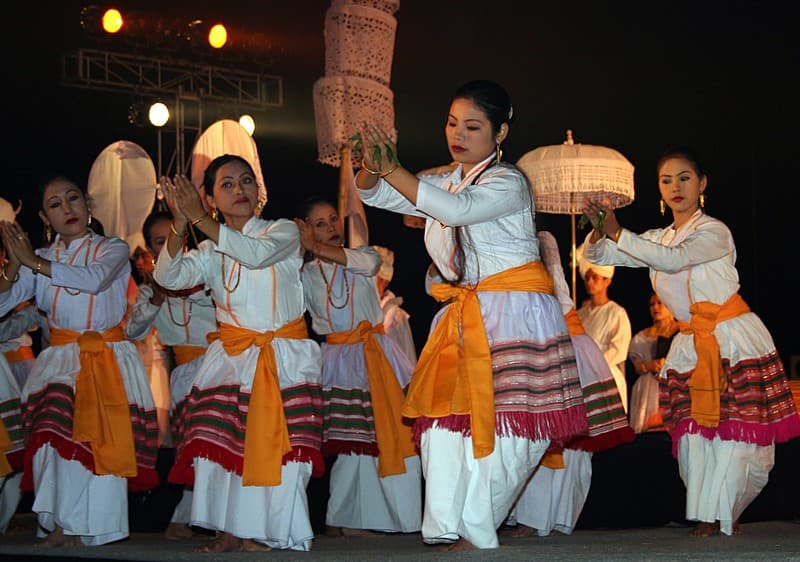
Lai Haraoba (also written Lai Harauba) is the ancient Meitei festival celebrated between February and May or June in the shrines of the Umang Lai (the sacred grove deities) of the Meitei people. The festival is described as the 'merrymaking of the gods' and is the central ritual of the pre-Hindu Meitei religion (the Sanamahism tradition) of Manipur. The festival predates the Vaishnavite cultural reorganisation of Manipur in the 18th century and is performed by the Maibas (the male priest-dancers) and the Maibis (the female priest-dancers). The festival exists in four principal regional variants — the Kanglei Haraoba, the Moirang Haraoba, the Chakpa Haraoba and the Kakching Haraoba — each associated with a particular shrine and a particular Umang Lai deity. The festival is documented as one of the most distinctive regional traditions of the Northeast and is performed at the original Meitei shrines in Manipur.
How it's practiced
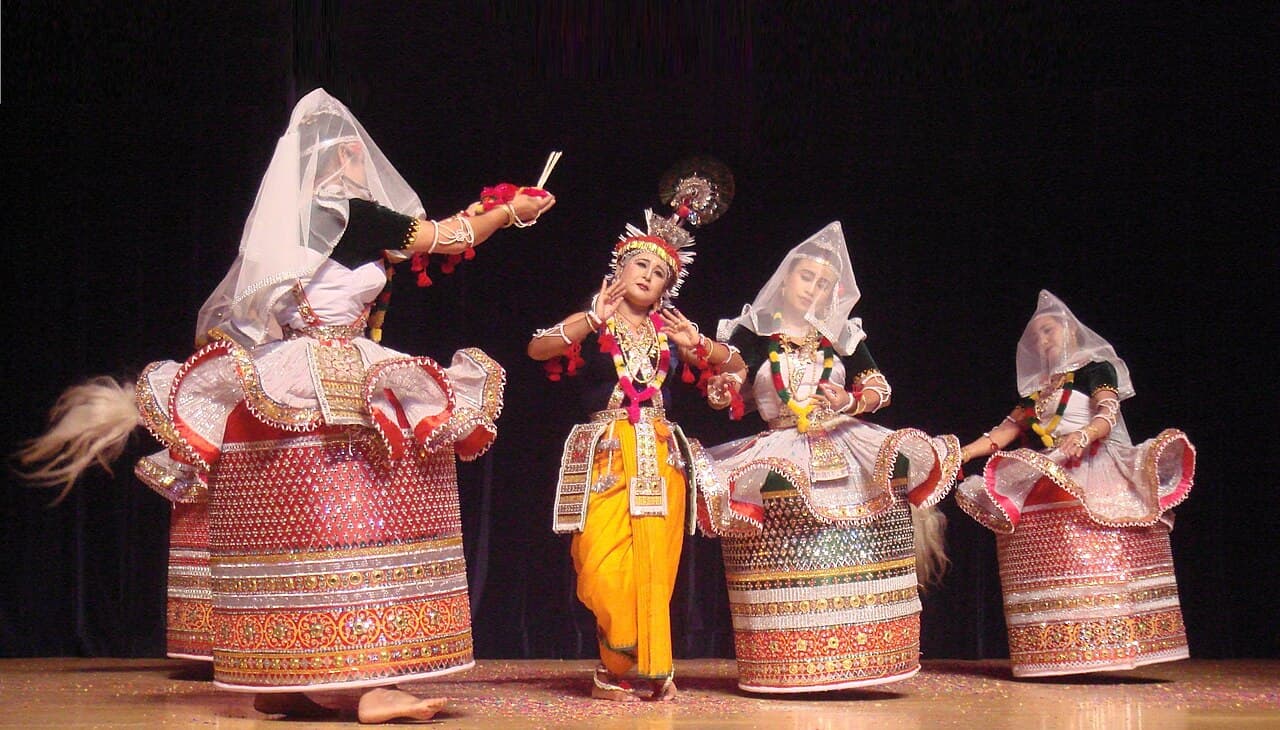
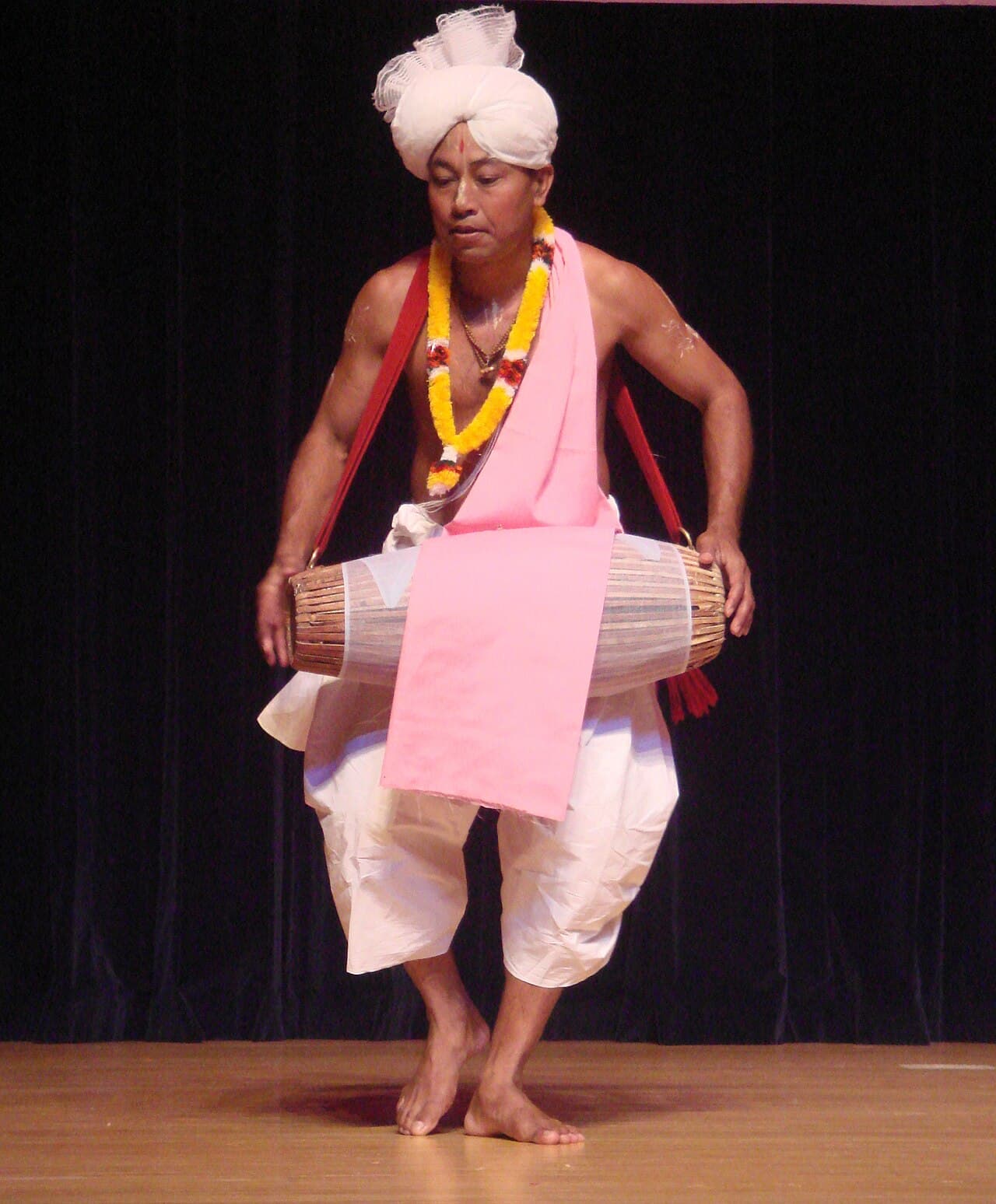
Lai Haraoba is performed at the shrine of the Umang Lai (the sacred grove deity) by the Maibas and Maibis in ritual-dance sequences, including the Lairoi (the dance of the goddess) and the Laibou (the open ritual). The dance is reverent and gentle, with the women and men performing the small steps and gestures of the regional Meitei vocabulary. Music is the pung (the barrel drum), the dhol, the pena (the string instrument) and the small cymbals. Costume is the Meitei traditional dress of the priest-dancers — the white dhoti and the small turban for the men, and the traditional weave-dress for the women. Performances are at the shrine-courtyard of the Umang Lai in the months of February-May.
The pre-Hindu Meitei creation-dance-festival of Manipur — performed between February and May to honour the Umang Lai (the sacred grove deities), with ritual dance and music of the Maiba and Maibi (the priest-dancers).
From discovery to practice
The Journey
Experience it
Book the Lai Haraoba experience
Want to watch Lai Haraoba performed live? Tell us when and where you'd like to experience it, and we'll confirm the details.
Bring it to your event
Hire Lai Haraoba performers for your community, college or government event
Every performer WRIKSH connects you with has been personally verified. Tell us the occasion — a community celebration, a college festival, a government program — and we'll find the right group.
Discover further
More traditions of Manipur
Hire performers of Lai Haraoba for your event