
Performing Art · Delhi
Mughal-Indo-Persian Court Dance (Delhi)
दरबारी नृत्य
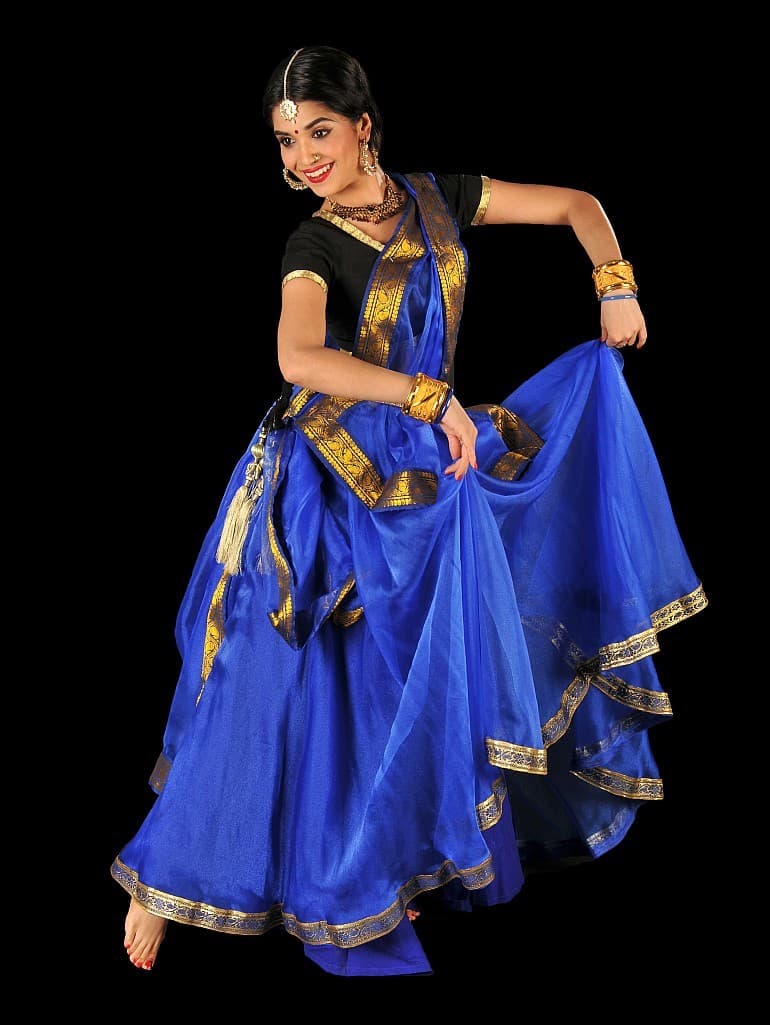
The Indo-Persian court-dance tradition of the Delhi Sultanate and Mughal courts — preserved as a classical repertoire of the modern Kathak and court-tradition revivalists of Delhi.
Understand
Where Mughal-Indo-Persian Court Dance (Delhi) comes from
The Mughal court of Delhi (and the Indo-Islamic sultanate-era Delhi court) was the principal crucible of the courtly-dance tradition that later evolved into the modern Kathak. The court of the Delhi Sultanate and the Mughal court (under Akbar, Jahangir, Shahjahan and Aurangzeb) patronised the dance of the kathakars and the tawaifs (the court women) of the harem and the darbar. The dance tradition was strongly influenced by the Persian court-dance vocabulary of central Asia and Iran, with the nazakat (grace), the adab (the manners) and the khushbu (the refinement) of the court forming the central aesthetic. With the decline of the Mughal court, much of the court-dance tradition passed into the kothas (the hereditary court-music houses) of Delhi and Lucknow and the modern Kathak tradition is the direct continuation. Today the court-dance tradition is revived in the cultural programmes of the city and in the institutions of the central government of India.
How it's practiced
The Mughal-Indo-Persian court-dance tradition of Delhi is performed in the cultural programmes of the city (particularly the annual Mughal festival) by the Kathak exponents of the Delhi-Lucknow gharana. The dance draws on the nawabi-influenced dance vocabulary — the small nazakat-gesture of the hand, the soft sway of the body, the small chakkars. The dance is performed at the courtly settings (the Mughal-revival banquet of the Bikaner House, the cultural festival of the Red Fort) and at the cultural programmes of the city. Costume is the Mughal-influenced Anarkali dress with the small regional cap. The dance is performed at the cultural programmes of the city.
The Indo-Persian court-dance tradition of the Delhi Sultanate and Mughal courts — preserved as a classical repertoire of the modern Kathak and court-tradition revivalists of Delhi.
From discovery to practice
The Journey
Experience it
Book the Mughal-Indo-Persian Court Dance (Delhi) experience
Want to watch Mughal-Indo-Persian Court Dance (Delhi) performed live? Tell us when and where you'd like to experience it, and we'll confirm the details.
Bring it to your event
Hire Mughal-Indo-Persian Court Dance (Delhi) performers for your community, college or government event
Every performer WRIKSH connects you with has been personally verified. Tell us the occasion — a community celebration, a college festival, a government program — and we'll find the right group.
Discover further
More traditions of Delhi
Hire performers of Mughal-Indo-Persian Court Dance (Delhi) for your event