
Performing Art · Punjab
Tipri (Luddi variant)
ਟਿੱਪਰੀ
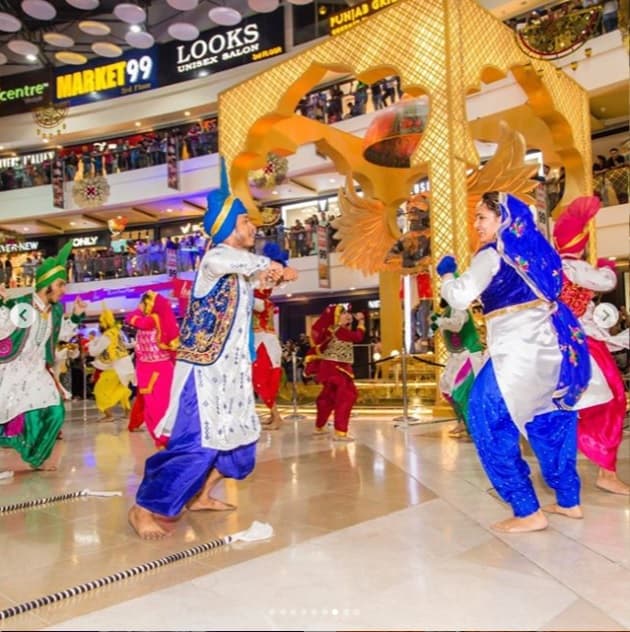
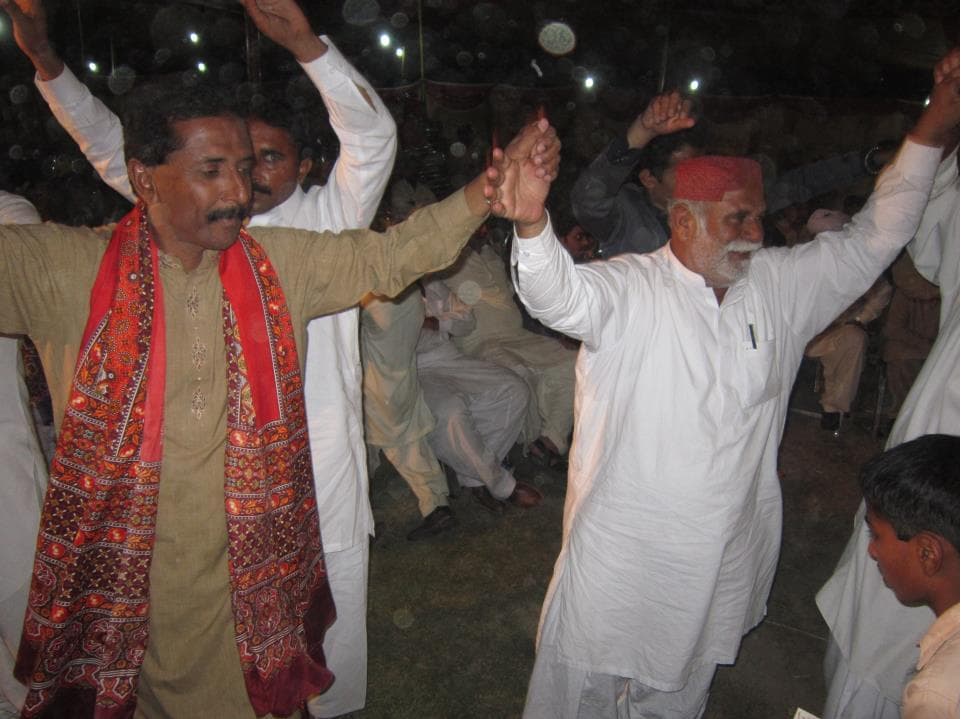
A Punjabi men's stick-dance — performed at harvest festivals in the rural Punjab with small sticks tapped in coordinated patterns.
Understand
Where Tipri (Luddi variant) comes from
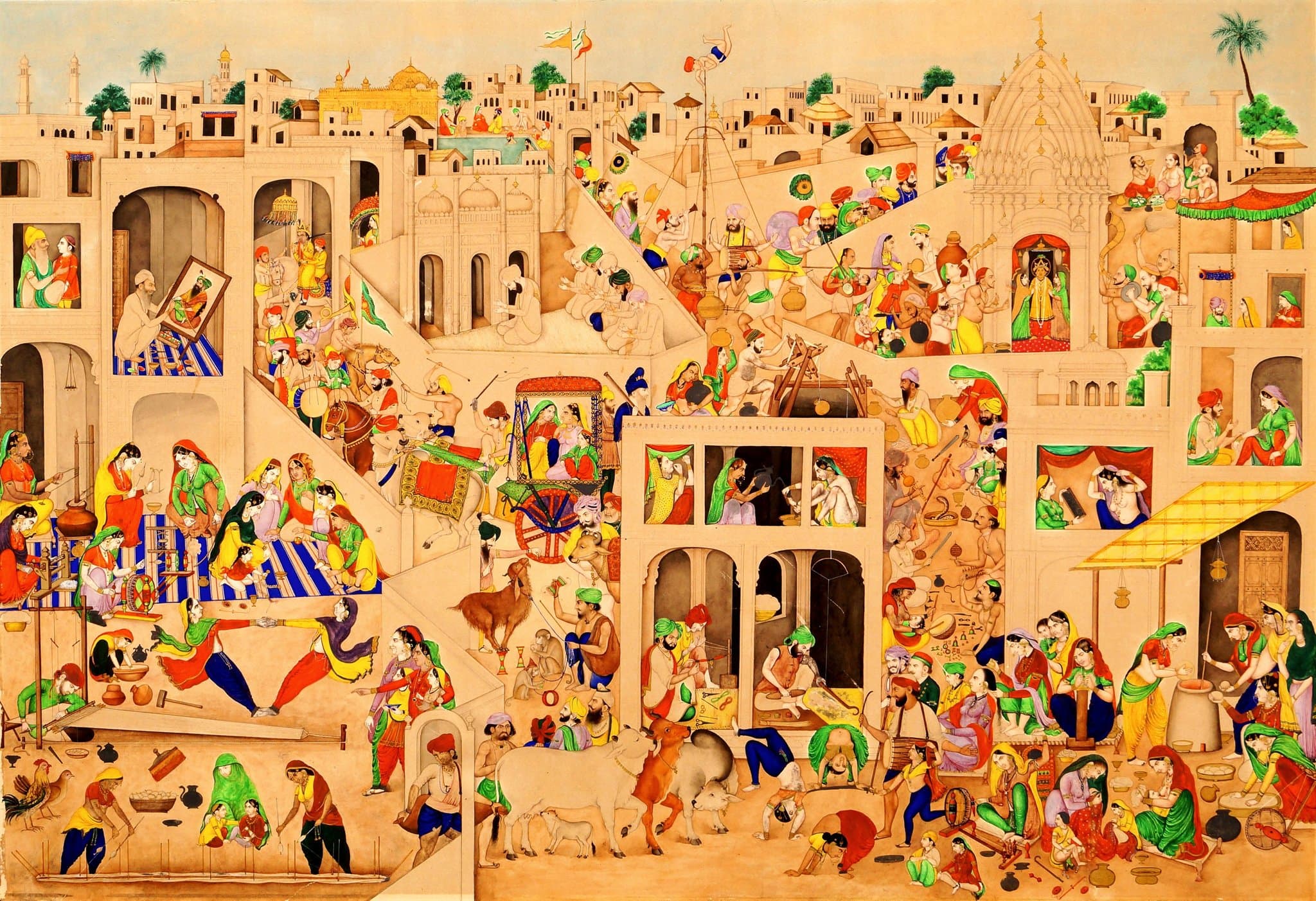
Tipri (or Aawat) is a traditional Punjabi men's dance performed at the harvest and the melas, named after the small tipri sticks (or aawat-clappers) used in the performance. The dance is closely related to the broader Bhangra / Luddi family but is distinguished by its stick-play and the characteristic step of the right foot. Tipri is documented as one of the lesser-known but still-practiced rural harvest dances of Punjab, performed particularly in the Majha and Doaba regions. The form is mentioned alongside Bhangra, Giddha and Luddi in the Government of Punjab's official list of folk dances of the state.
How it's practiced
Tipri is performed by men in a circle, each holding two small tips (sticks) which they strike against partners' sticks in coordinated rhythmic patterns. The focus is on the right-foot-thrusting step and the sidewise sway of the body to the dhol drum. The dance builds in tempo, with the pattern of the sticks growing more complex through the night. Costume is the everyday Punjabi kurta-lamba with the colourful turban. The dance is performed at weddings and at the harvest festivals (Lohri, Basant, Vaisakhi) and at the local melas of the Punjab villages.
A Punjabi men's stick-dance — performed at harvest festivals in the rural Punjab with small sticks tapped in coordinated patterns.
From discovery to practice
The Journey
Experience it
Book the Tipri (Luddi variant) experience
Want to watch Tipri (Luddi variant) performed live? Tell us when and where you'd like to experience it, and we'll confirm the details.
Bring it to your event
Hire Tipri (Luddi variant) performers for your community, college or government event
Every performer WRIKSH connects you with has been personally verified. Tell us the occasion — a community celebration, a college festival, a government program — and we'll find the right group.
Hire performers of Tipri (Luddi variant) for your event