
Performing Art · Madhya Pradesh
Jawara Dance
जवारा नृत्य
A harvest-stick dance of the Gond and tribal communities of Madhya Pradesh — performed after the millet harvest with sickle-shaped sticks, in celebration of the crop.
Understand
Where Jawara Dance comes from
Jawara dance is a folk dance of the Gond and other tribal communities of Madhya Pradesh, performed after the millet (jowar / jawara) harvest. The dance takes its name from jawara — the local name for millet. As with the broader family of harvest-stick dances of central India (compare the Rajasthani Gair and the Madhya Pradesh Saila), the form expresses gratitude for the crop and is performed in the days immediately following the millet harvest, when families and villages gather to celebrate. The dance is also performed during the spring festival of Holi and at community marriages.
How it's practiced
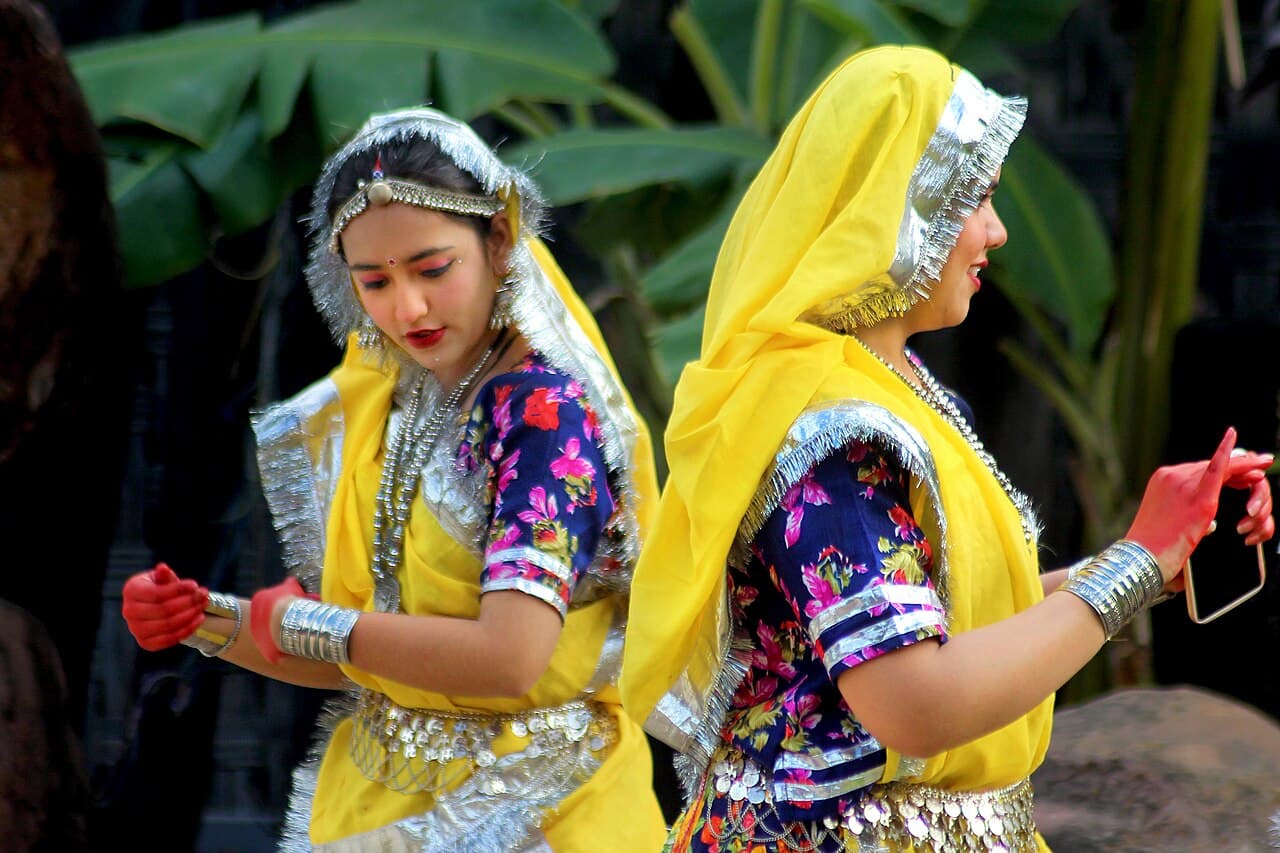
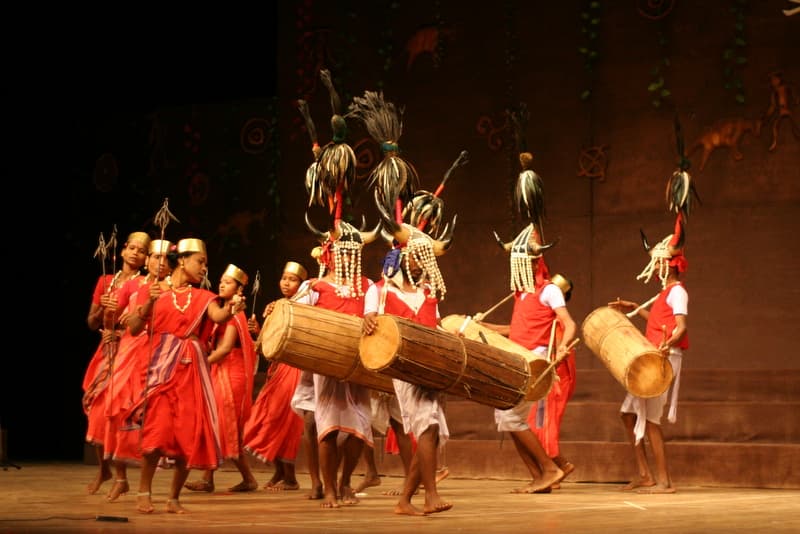
Jawara dance is performed by men and women in opposing rows, each dancer wielding two sickle-shaped sticks that are struck against their partners' sticks in time to the dhol. The dance moves through several rhythmic patterns, with the leader calling changes and the ensemble responding. The intensity of the dance builds as the tempo accelerates. Costume is the everyday tribal dress of the Gond community — coloured turbans for the men, bright saris with heavy silver jewellery for the women. Performances take place in open village grounds or in the fields immediately after the millet harvest.
A harvest-stick dance of the Gond and tribal communities of Madhya Pradesh — performed after the millet harvest with sickle-shaped sticks, in celebration of the crop.
From discovery to practice
The Journey
Experience it
Book the Jawara Dance experience
Want to watch Jawara Dance performed live? Tell us when and where you'd like to experience it, and we'll confirm the details.
Bring it to your event
Hire Jawara Dance performers for your community, college or government event
Every performer WRIKSH connects you with has been personally verified. Tell us the occasion — a community celebration, a college festival, a government program — and we'll find the right group.
Discover further
More traditions of Madhya Pradesh
Hire performers of Jawara Dance for your event