
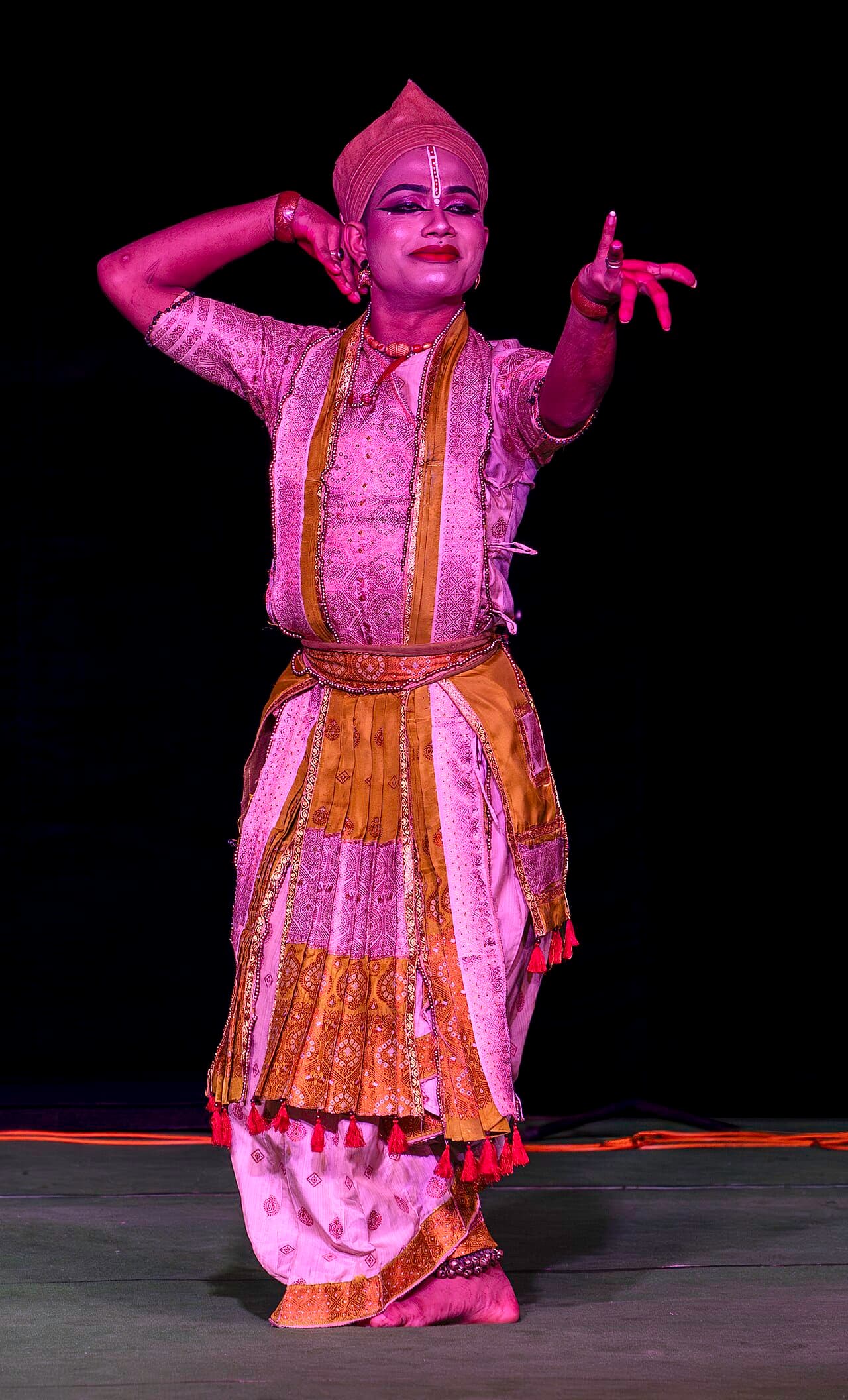
Performing Art · Assam
Sattriya
সত্ৰীয়া
One of the eight classical dances of India — the Vaishnava-monastery drama-dance tradition of Assam, created by the 15th-16th century saint Srimanta Sankardev and his successors at the sattras of Majuli and beyond.
Understand
Where Sattriya comes from
Sattriya is a major classical dance tradition of Assam, founded by the 15th-16th century saint Srimanta Sankardev (1449-1568) and his followers among the Vaishnavite monks of Assam. The tradition developed within the sattras — the Vaishnav monasteries of Assam — as a form of devotional dance-drama with the Ankiya Bhaona and the Sankirtana as the principal performance formats. Sankardev created the dance-drama based on the Bhagavata Purana (the dance theatre uses the dance form Aparajita and the songs of the Bhagavata as its repertoire). Over the centuries the tradition took distinctive shapes in the sattras of Majuli, Barpeta, Koch Bihar and other Vaishnav centres. In 2000 the Government of India recognised Sattriya as one of the eight classical dances, with the description drawing on its monastic-tradition character and its continuity with the Vaishnav devotional songs and dances of the sattras.
How it's practiced
Sattriya is performed solo or by groups of monks within the sattras, with the apsara-styled dance vocabulary and the distinctive costume of the Vaishnav order. The principal performance format is the Ankiya Bhaona — a dance-drama enactment drawn from the Ramayana, the Mahabharata and the Bhagavata Purana — performed in the sattras' prayer-halls (the namghar) and at the cultural festivals. The dance is accompanied by the drums and percussion ensemble of the sattras (the taal, the mrudanga, the khol), with the singer-narrator and the dance enacting the principal roles. Costume is the traditional Vaishnav monastic dress — the white dhoti and the chadar (the shoulder-scarf) and the gold pendants (the padam) symbolising Lord Vishnu's feet. The choreography includes the karanas (108 classical dance units from the Natya Shastra) and the distinctive graceful steps that define the form.
One of the eight classical dances of India — the Vaishnava-monastery drama-dance tradition of Assam, created by the 15th-16th century saint Srimanta Sankardev and his successors at the sattras of Majuli and beyond.
From discovery to practice
The Journey
Experience it
Book the Sattriya experience
Want to watch Sattriya performed live? Tell us when and where you'd like to experience it, and we'll confirm the details.
Bring it to your event
Hire Sattriya performers for your community, college or government event
Every performer WRIKSH connects you with has been personally verified. Tell us the occasion — a community celebration, a college festival, a government program — and we'll find the right group.

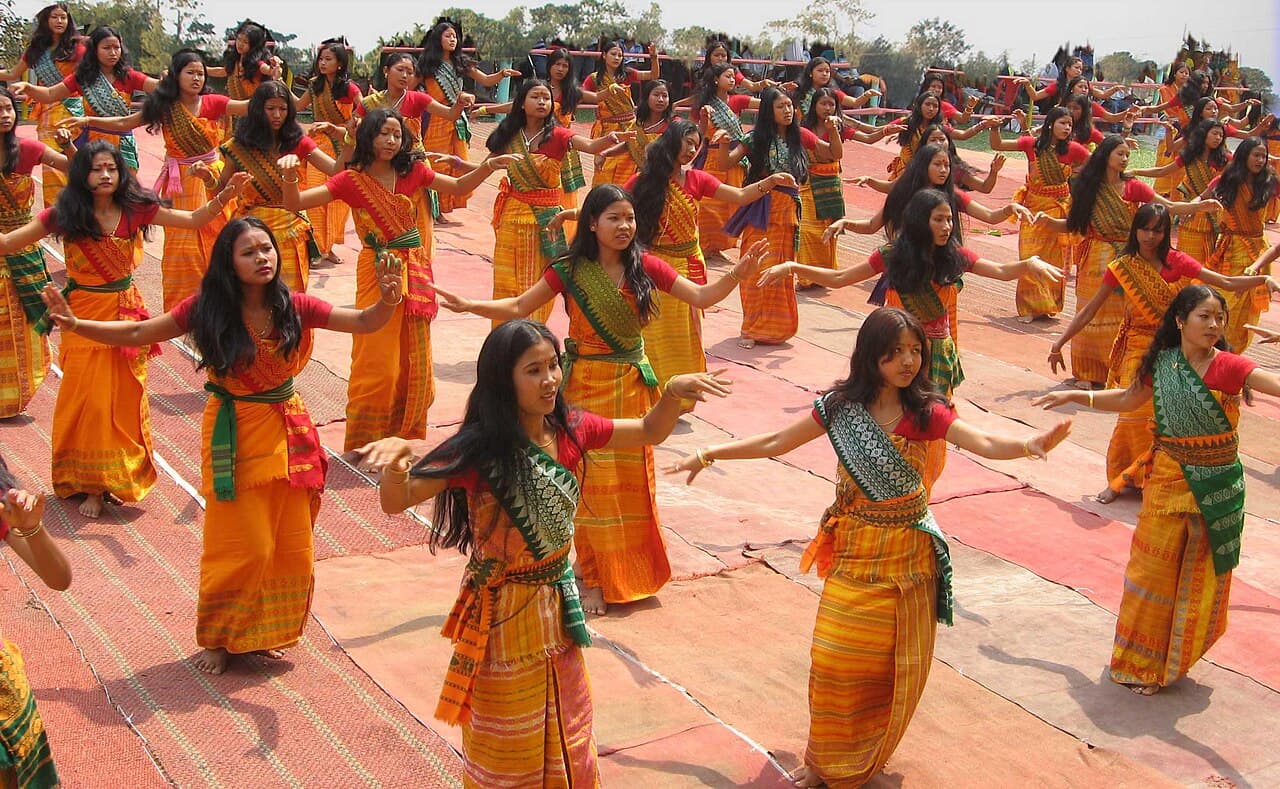
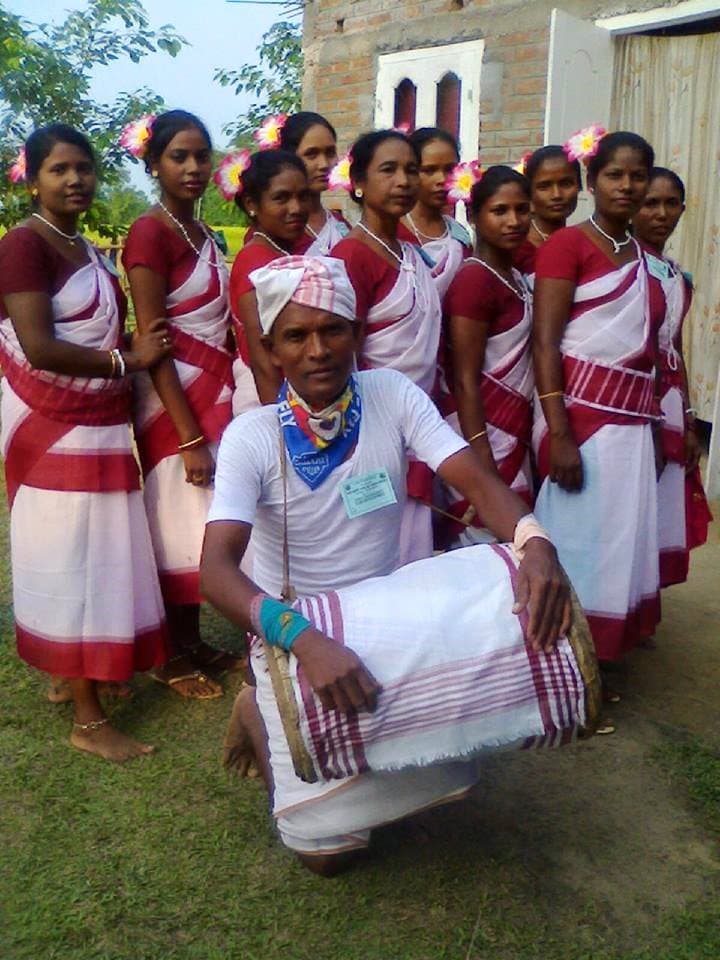
Hire performers of Sattriya for your event